
Knowing how to set a formal table is a skill every host should have up their sleeve. In the course of my career in events and then as a private chef, I have worked on many formal events hosting celebrities and royals, so I know the drill. Etiquette is important when it comes to formal dining, so I will give you all the pro tips and tricks with diagrams, and also cover the unspoken rules for both hosts and guests.
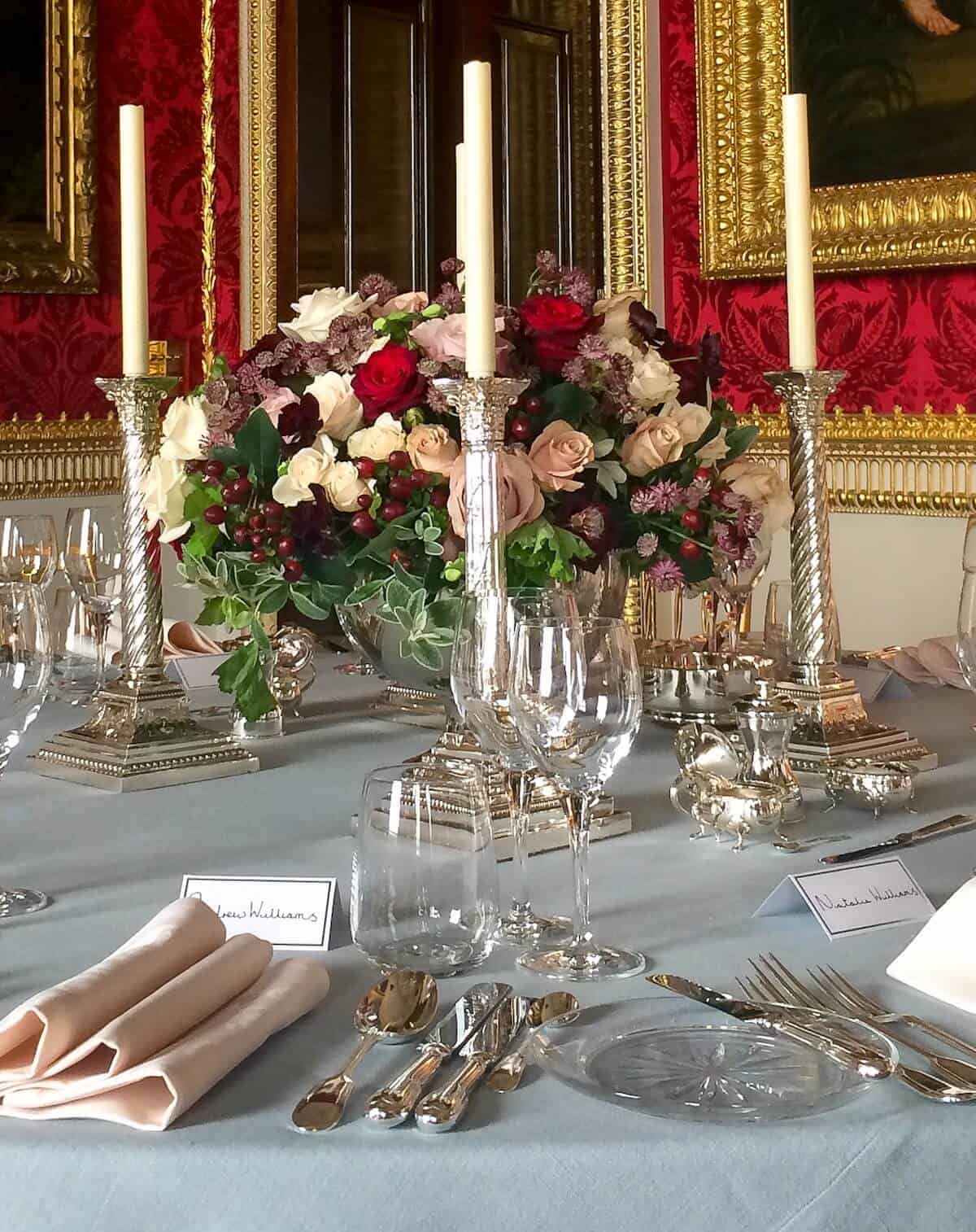
There’s something undeniably special about sitting down to a beautifully laid table, and I also take a huge amount of joy in doing it. The food might be the star of the show, but the table is the stage — and when it’s dressed properly, the whole evening feels that little bit more elegant. I love it when guests see the room and say 'wow'!
Here’s exactly how to set your table — from the practical and basic steps to the finishing touches that make it feel effortlessly chic.
Start with the table
We've all been squeezed in around a table before, and while it can be fun and encourage intimacy, it isn't very formal and can be uncomfortable for guests.
How large a table do I need?
So if you’re hosting more than four people, make sure your table gives everyone enough elbow room — around 60 cm per person is ideal. Add a leaf or extension if you can, or borrow a trestle if needed.
Should I use a tablecloth or a runner?
A perfectly pressed tablecloth immediately signals that the evening is something special. And if you are hiring tables, you will need to use tablecloths as the surfaces and legs are usually unsightly.
For a formal dinner, a white tablecloth is standard. But any color can also look smart. I have even hosted gala dinners using black tablecloths in the past, and it can be very striking with the right lighting and decor.
If you’re using a tablecloth, always iron or steam it before you place it on the table. Any creases will show, and they'll also make glasses and cutlery lay unevenly. Let it hang evenly on all sides — about a 25–30cm drop from the table edge is perfect.
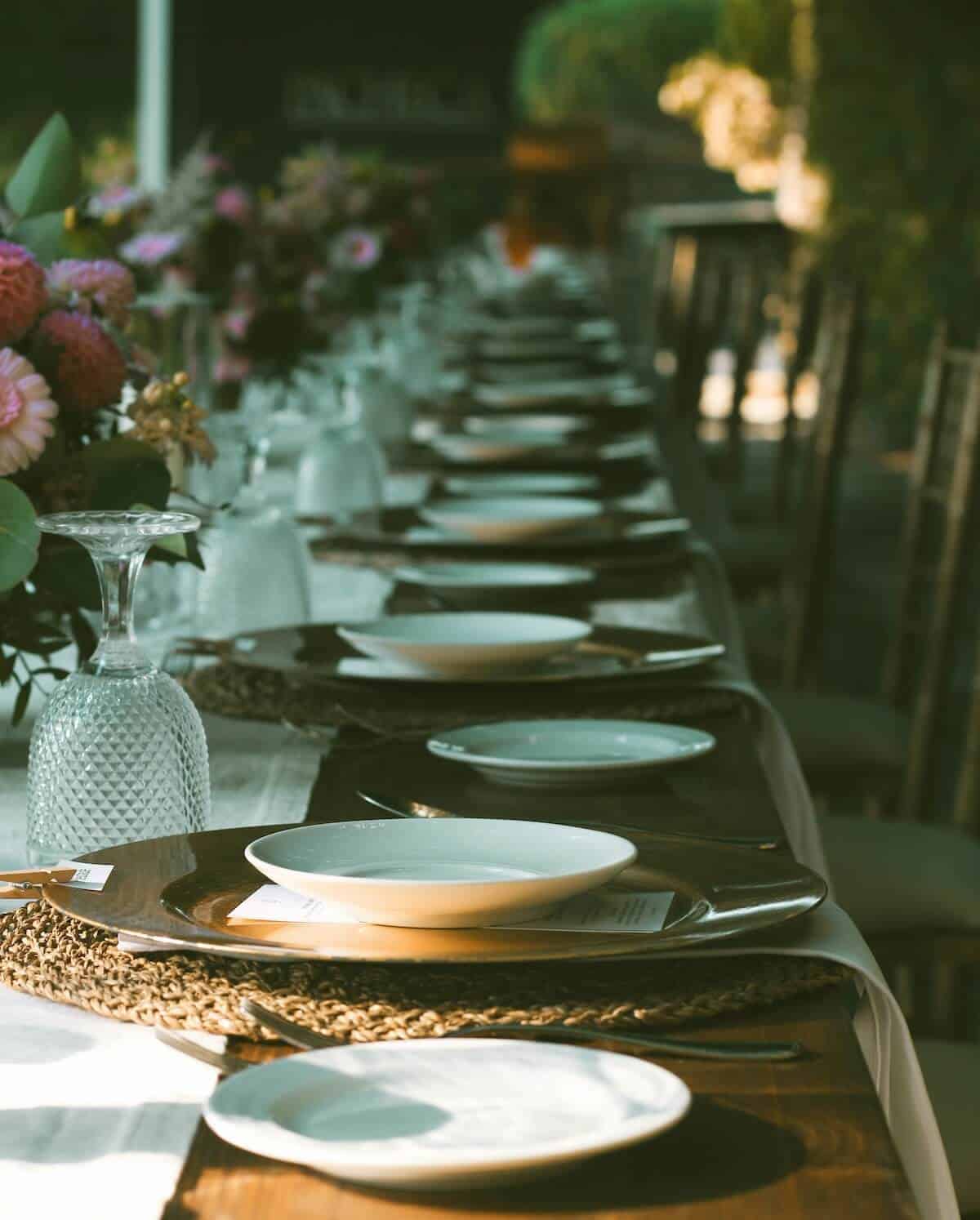
A runner is a way to add a formal touch without going all the way. If you have a nice dining table, use a runner to add visual interest and provide a base for any centerpiece decorations.
How to set a formal table
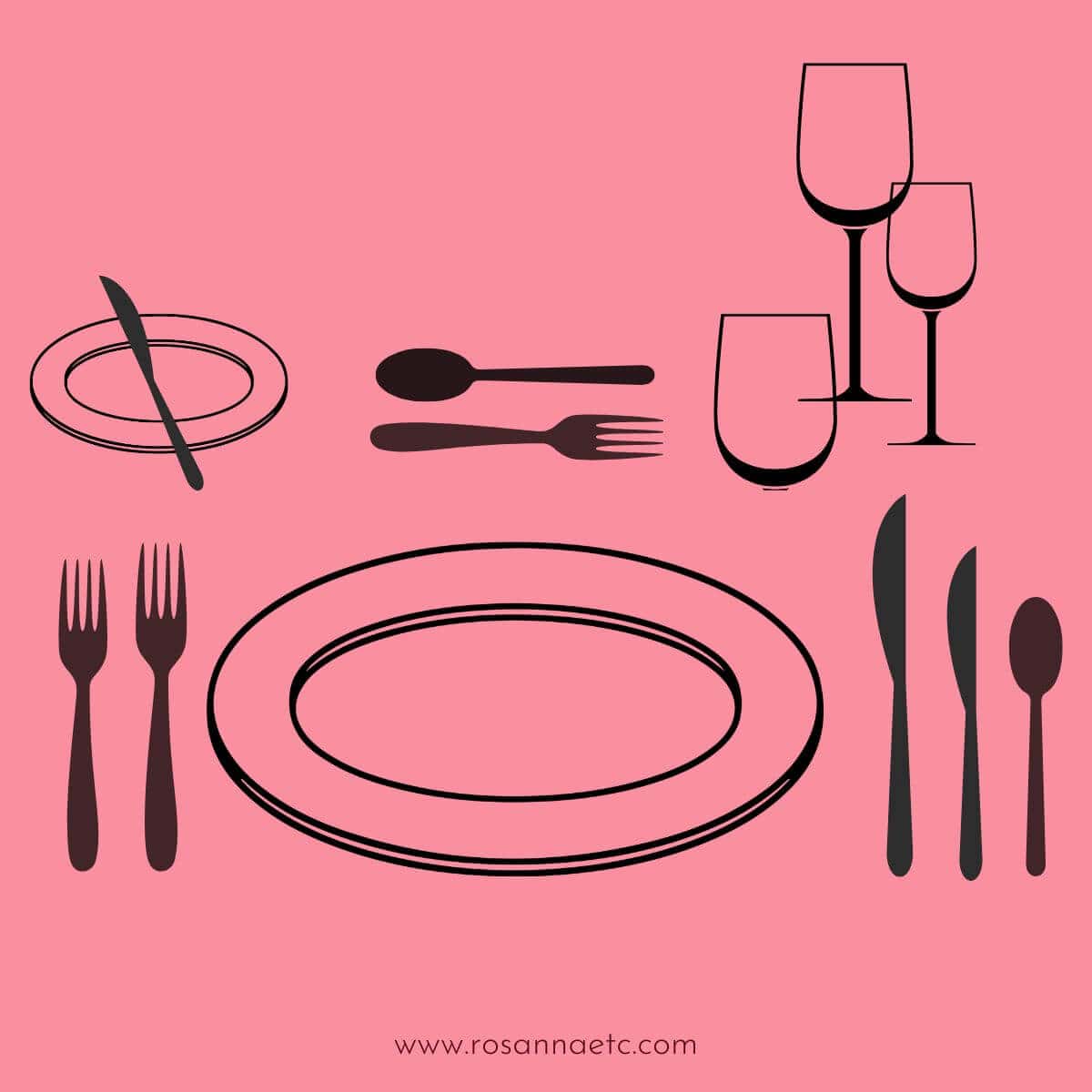
A formal table setting follows a simple formula. Here’s the timeless layout that is used in formal dining:
- The dinner plate goes in the middle, about an inch from the table’s edge.
- If you’re serving several courses, set a charger plate (the decorative base) underneath. It stays put until the main course arrives.
- Forks always go to the left of the plate.
- The salad fork (smaller) sits on the outside.
- The dinner fork (larger) sits closest to the plate.
- Knives and soup spoons go on the right.
- The dinner knife (larger) sits nearest the plate with its blade facing inwards toward the plate.
- The salad knife (smaller) sits on the outside, also with its blade facing inwards.
- If you’re serving soup, the soup spoon goes to the right of the knives.
- For dessert, place a dessert spoon (handle to the right) and fork (handle to the left) horizontally above the plate.
- If setting a cheese knife, this goes above the plate with the dessert cutlery, with the handle pointing to the right.
Top Tip
Always take the time to polish your cutlery and glassware. Fingerprints are more visible than you think, especially under candlelight. There's a reason why butlers wear gloves!
Napkins
I always use a crisp, ironed napkin, which immediately elevates the occasion, even though they will need to be laundered afterward! Yes, you can use paper napkins, but the vibe will be infinitely less formal. I also love how napkins can add a splash of color and tie in with your other decorations. Here are some ways you can present them:
- Classic: folded neatly to the left of the forks.
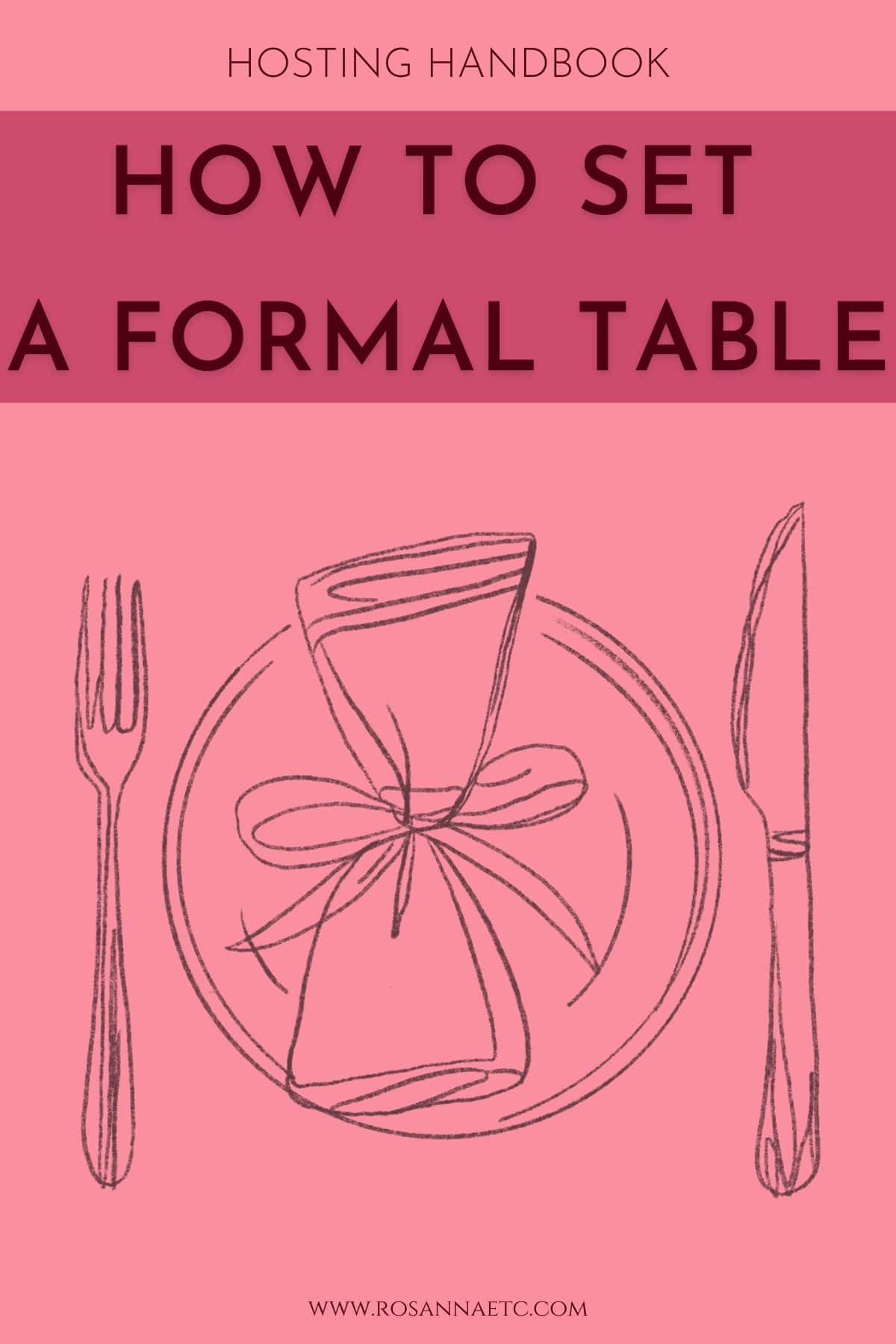
- Modern: placed on the plate or charger with the cutlery tucked into it.
- Chic and decorative: tied with a colored ribbon or bunched through a napkin ring
If you want to add another decorative touch, you could tuck a sprig of rosemary, foliage, or a dried flower inside the fold. You may have seen very fancy napkin-folding techniques at restaurants, and these are fun, but unnecessary!
How To Set Glassware
Your glasses go in the top right corner above your knives and should be arranged in a diagonal line or in a triangle.
- Water glass — directly above the dinner knife.
- White wine glass — to the right and slightly below the water glass.
- Red wine glass — slightly above and to the right of the white wine glass.
- Champagne flute — if you’re serving fizz, this can sit behind the others in a small diamond formation.
Top Tip
Dessert wine glasses or digestif glasses (e.g., port, brandy)are brought out later, and not set with everything else. I like to bring them out on a tray with dessert.
If your dinner is more informal, just stick to one water glass and one wine glass. Quality over quantity always wins. If you're wondering how much wine you need to buy, check out my helpful post.
Bread and butter plates
A bread plate goes to the top left of the dinner plate, above the forks, or to the left of the plate, depending on table space. Place a butter knife horizontally across it, with the blade facing down and the handle to the right. Either place a bread basket on the table, or take it around with tongs for a more formal vibe. I like to place compound butters on the table to add a bit of flair.
Printed material
These are the small details that make your dinner party feel beautifully thought through.
Menus
If you’re serving multiple courses, a printed menu card adds a lovely touch. I design them in Canva and then print them at home or in a local print shop to make things simple. Plain white or cream card, with elegant font, and maybe a small motif that ties into your theme. Place it on top of the charger.
Placement cards
If you’re hosting more than six people, place cards make the evening run more smoothly and give it a polished finish. It avoids the 'where shall everyone sit' and also gives you the opportunity to curate conversations and relationships.
I buy deckle-edged cards for a more feminine look or classic ones. Make sure the card is thick enough to stand up properly, as papery cards will look cheap.
Top Tip
I always handwrite placement cards for a personal touch, but I use a calligraphy pen to make my writing look fancy!
A note on Titles
If you have someone dining with you who has a title, it can create a predicament with place cards. But whether or not you choose to write their title on the placement card or not, make it universal. So, for example, the correct etiquette would be for everyone to have their title (be it Lord or Lady Something or Mr Joe Bloggs), or no one has their title. If you are in any doubt when it comes to titles, check with Debretts.
Seating plans
The guest of honor traditionally sits to the right of the host, with the second most honored at the host's left. Couples would normally be placed opposite one another, rather than side by side. If there is a host and a hostess (or host/host, hostess/hostess, etc), it helps to split them up so that more guests can feel special by being near them.
Decor
Here is your chance to add some creative flair and add the wow factor.
Add a decoration or a centerpiece
Flower arrangements are the obvious choice, but a formal table centerpiece doesn’t have to be grand or expensive. In fact, simpler is often better. Here are some easy tablescape ideas:
- A few low-cut flowers in several small vases. I like to color block to create impact.
- Seasonal touches like whole citrus in summer, bunches of grapes in harvest season, or pine cones and holly sprigs in winter.
Remember to keep things below 30cm in height so your guests can see over them and it doesn't divide the table or disrupt conversation. And avoid overly fragrant flowers as they’ll compete with your food.
Lighting and candles
Lighting sets the mood faster than anything else. Keep overhead lights dim and be mindful of anything glaring. In the evening, let candlelight do most of the work. A mix of tea lights and tapers gives a soft, flattering glow.
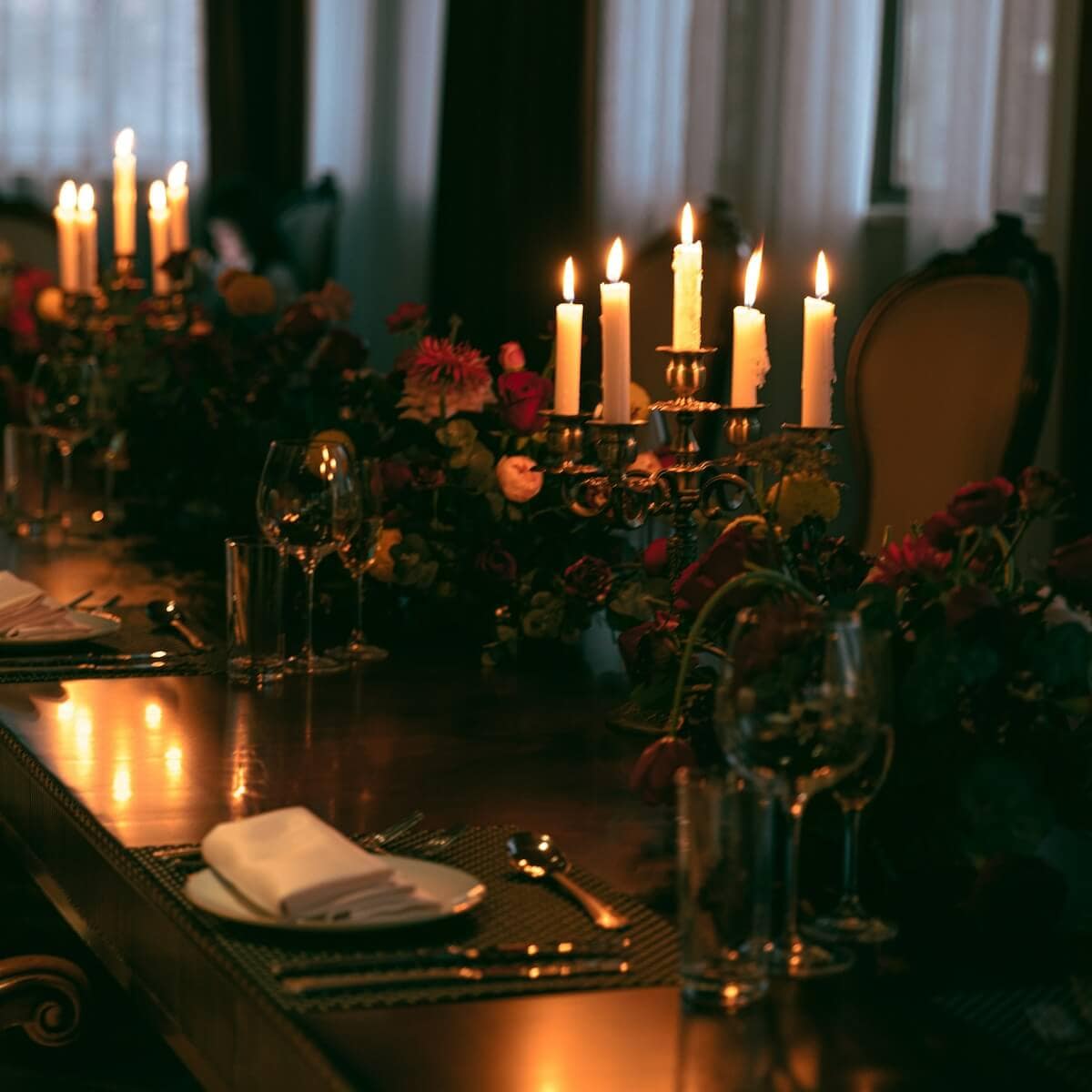
A good rule: make sure the candle flames either sit below seated eye level, or way above it, so conversation isn’t interrupted by flickering distractions. Avoid scented candles as they can distract from the food, and buy candles with a long burn life, so that they don't fizzle out in the middle of dinner.
How to instruct serving staff
If you have staff to help you, great! Remind them of these points to keep things formal and looking pro.
- Serve food from the left, clear from the right: A small nod to traditional service guidelines.
- Ladies first: When it comes to drinks, always serve the women first, and then the men.
- Mind the pacing: Don’t rush. Wait for everyone to finish before clearing each course unless a guest requests their plate be taken.
- Keep an eye (or ear) on the soundtrack: Music should enhance the mood, not dominate it, so turn it down a notch if it is overbearing.
Common formal table setting mistakes to avoid
Here’s what to watch out for when planning and setting a formal table:
- Overcrowding: Leave enough space for the food, drinks, and guests.
- Uneven spacing: Step back and check that everything lines up evenly.
- Tall centerpieces: Beautiful, but useless if nobody can see each other.
- Creased tablecloth: Disrupts what is on it and looks shabby.
- Dirty tableware: A quick polish of cutlery and glassware before guests arrive makes all the difference.
- Phones: Keep them off the table!
Think of your table as an edited outfit — each element should have a reason for being there.
Traditional formal vs. modern table setting
There’s no one-size-fits-all when it comes to laying the perfect table. The “rules” of traditional and formal dining etiquette are helpful, but they’re not set in stone. You can pick and choose between a more formal or informal vibe to suit you!
Traditional/formal
- Multi-course meal with matching crockery
- White tablecloth and napkins
- Charger plate always in place
- Multiple finestem glassware and a full cutlery set
Modern/informal
- Simpler setup — just what’s needed for the meal
- Placemats or runners instead of full tablecloths
- Mismatched tableware and glassware done intentionally
- Relaxed seating and family-style serving
Whether you choose a fully formal dinner setup or mix and match, I hope this guide has helped. Finally, here is a checklist to make sure you don't forget anything.
How to set a formal table checklist
| Item | Placement |
|---|---|
| Tablecloth/runner | Evenly spread, drop of 25–30 cm |
| Dinner plate | Centre, 1 inch from table edge |
| Charger (optional) | Underneath dinner plate |
| Forks | Left of plate (salad fork outermost) |
| Knives | Right of plate (blade facing inwards) |
| Soup spoon | To the right of knife |
| Dessert cutlery | Horizontally above plate |
| Napkin | On plate, to left, or in ring |
| Bread plate | Upper left above forks |
| Butter knife | Horizontally across bread plate |
| Water glass | Above dinner knife |
| Wine glasses | Diagonally to the right |
| Place card | Above plate |
| Menu | On plate |
Dinner party recipes to try
If you're hosting, try some of these recipes!
- Whole side of roast salmon
- Green beans with anchovy sauce and bacon crumb
- Chocolate olive oil mousse with cardamom chantilly
And check out all the best amuse bouche recipes that will elevate the occasion further!


Comments
No Comments